Last reviewed November 2026.
Where the Larimer County wildfire code applies
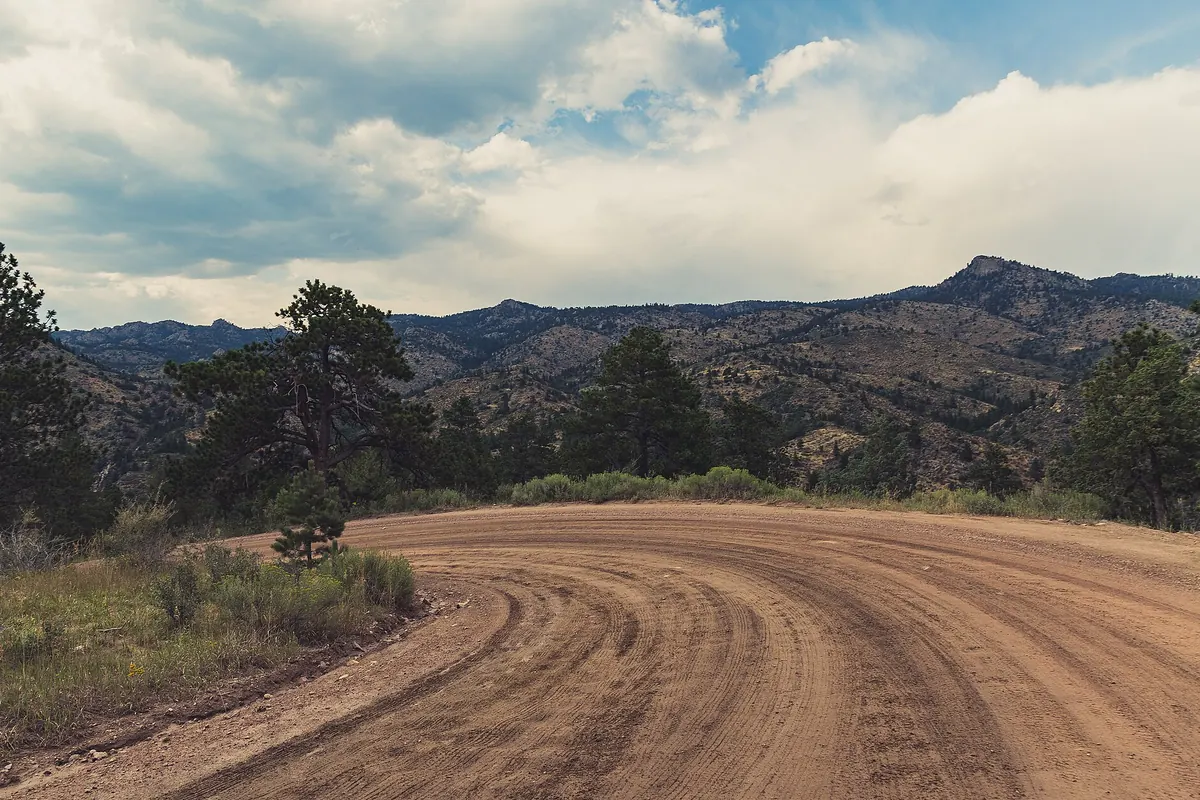
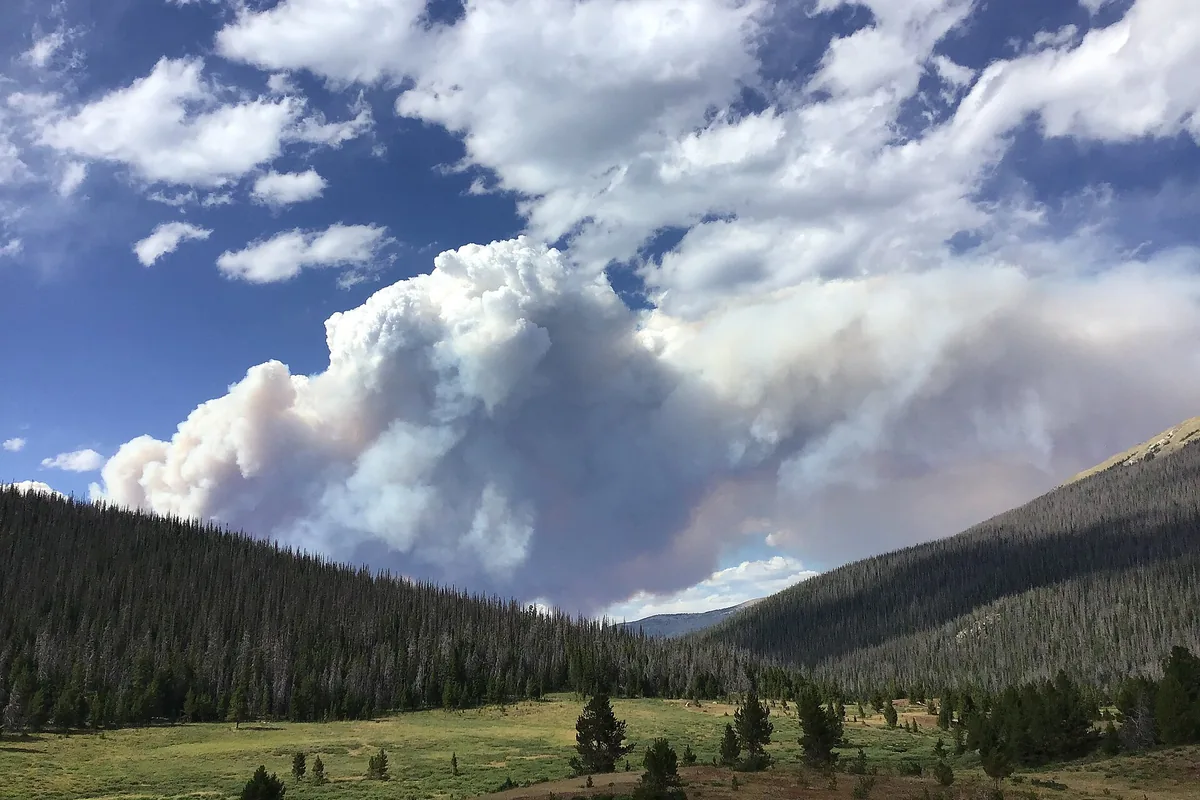
Section 302.1 of the county's amended code reads that "all of unincorporated Larimer County is deemed a wildland-urban interface area", because of "the history of and potential for large, destructive wildland fires." The 2020 Cameron Peak Fire, pictured above, burned in western Larimer County. Structures and parcels there are to be built and kept to the code's structure-hardening chapter and its site rules. That takes in Laporte, Bellvue and the foothills west of Fort Collins and Loveland, and the rural county east of I-25, but not land inside city and town limits.
New construction and the exceptions
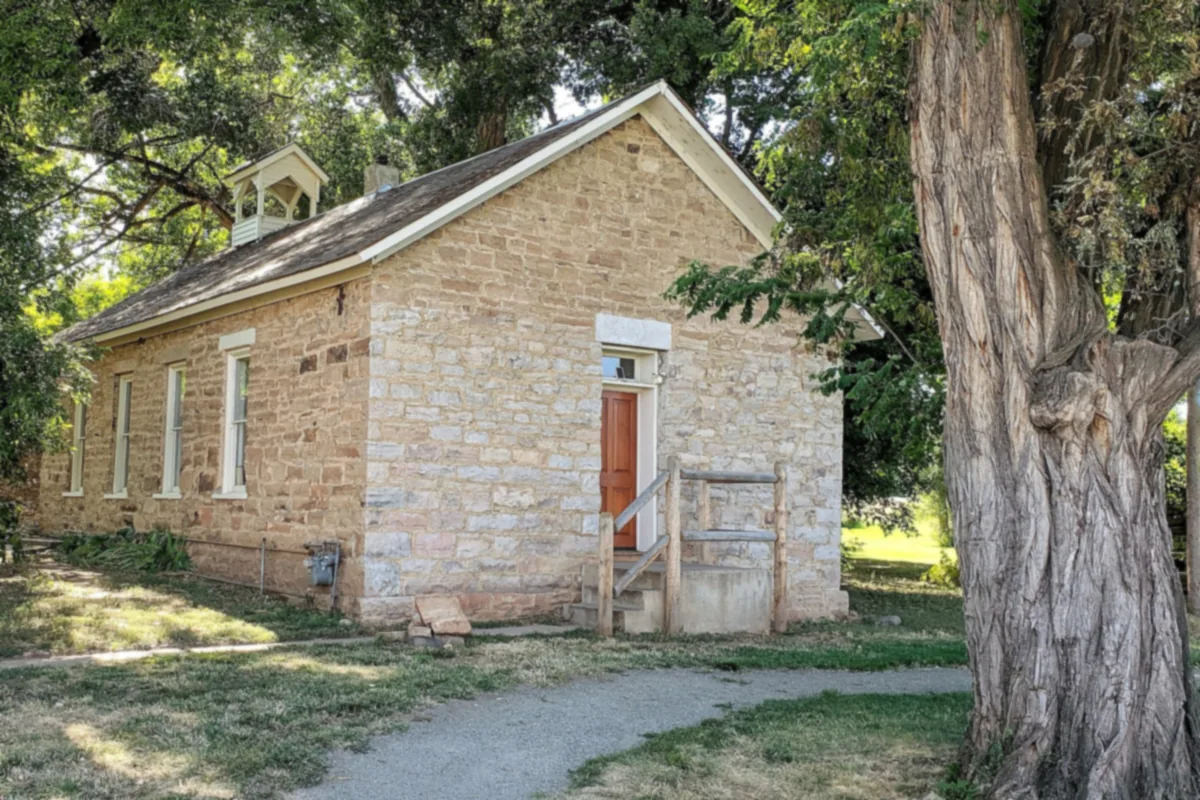
The structure-hardening chapter applies to new buildings and structures. Existing buildings can continue as they are, and the chapter lists exceptions that matter for decks on existing houses:
- Additions that don't increase the building's footprint by more than 500 square feet.
- Alterations or repairs affecting less than 25 percent of a structure's exterior.
- An addition that grows the footprint by 500 square feet or more has to meet the code for new construction.
- Small detached sheds, playhouses and similar structures up to 120 square feet, 10 feet or more from a home.
Whether a particular deck is inside an exception is decided by the county, so the question goes to Larimer County Building before boards are ordered. Permit rules are in the Larimer County deck permit guide.
What the code asks of decks
| Section | Rule |
|---|---|
| 403.8 Decking | Walking surface: noncombustible, Class A, exterior fire-retardant-treated wood (IBC 2303.2) or ignition-resistant material; composite at Class B minimum |
| 402.4 Ignition-resistant material | Tested front and back to the extended ASTM E84 / UL 723 test (30 minutes), with weathering requirements |
| 403.6.2 Flashing | At least 6 in of metal or noncombustible flashing at ground, decking and roof intersections with the wall |
| 502.1 Zone 1 (0 to 5 ft) | Noncombustible hard surfaces; protects the house, decks, stairs and attachments from embers |
| 502.6 Fencing | Fences within 8 ft of the structure noncombustible or ignition-resistant |
| 502.5 Retaining walls | Noncombustible or ignition-resistant within 8 ft, or when they support the structure or its exit |
Source: 2025 Wildfire Resiliency Code with Larimer County amendments (recorded September 23, 2025; effective January 1, 2026).
Picking deck boards
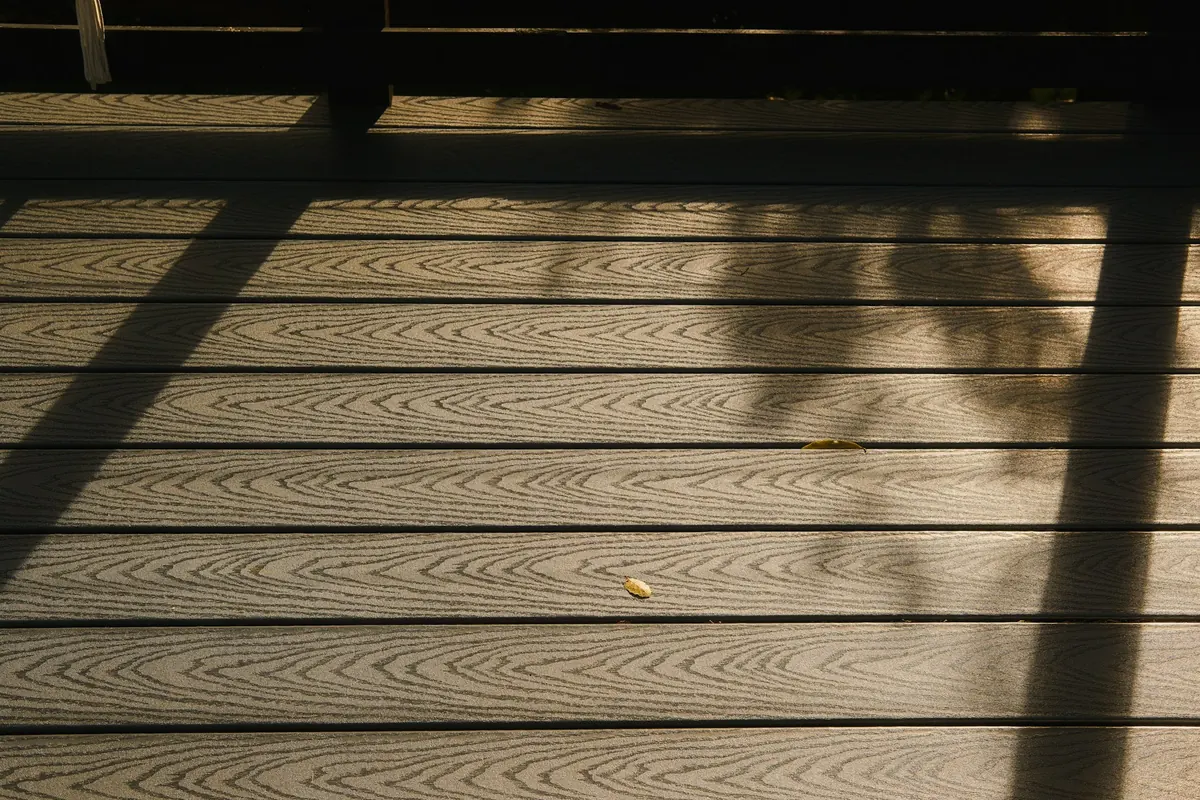
Standard cedar and pressure-treated boards don't meet 403.8 where it applies. Trex says its Select, Transcend and Transcend Lineage decking carry Class B fire ratings and are approved for wildland-urban interface areas, which meets the composite exception. Some PVC and composite lines are rated Class A. Ratings belong to a specific product line and color, so check the maker's documentation for the exact board. The composite deck installation page covers the boards; the composite vs wood guide covers the trade-offs.
The deck-to-house joint
Embers collect where a deck meets the wall. The code calls for at least 6 inches of metal or noncombustible flashing at decking intersections, and its Zone 1 rules keep combustible mulch, plants and debris out of the 5 feet around the house and under its decks.
Zone 1 around and under a deck
The immediate zone, 0 to 5 feet from the structure, is meant to "reduce or eliminate ember ignition and direct flame contact with the structure, decks, stairs, and attachments." The code's answer is hard surfaces: rock, gravel, sand, concrete, bare earth or stone and concrete pavers, with only ignition-resistant plantings from an approved list, no new trees, and branches kept 10 feet clear of the structure. Gravel under and around a deck is the usual way to meet it.